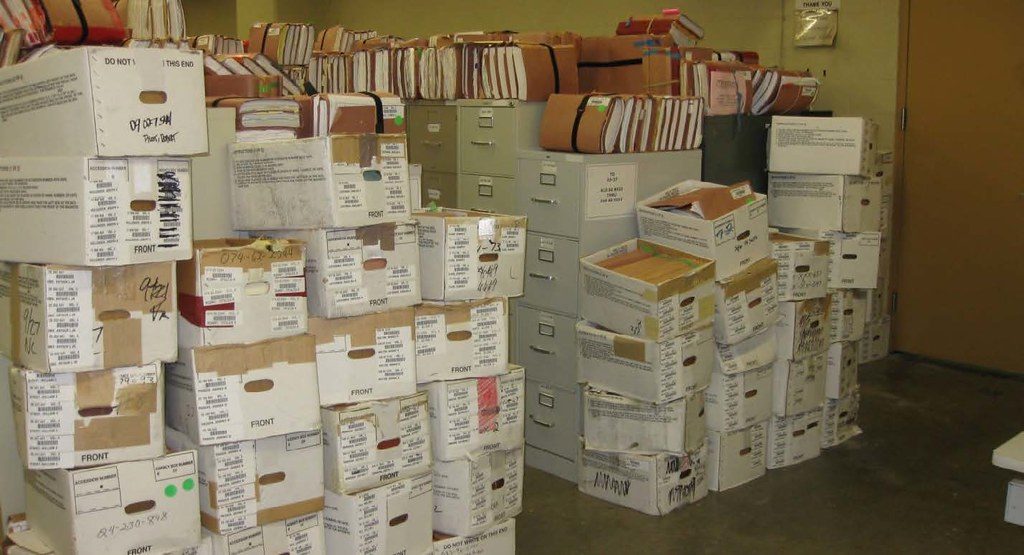
A lead list is a snapshot, and it starts decaying the moment someone exports it. Businesses close, move, rename, and change hands all the time. A list that was accurate in January is partly fiction by summer, and nobody re-checks it, because re-checking costs what the list cost.
Freshness beats volume
A small shop does not need ten thousand contacts. You can only make so many calls in a week. What you need is for this week's calls to go to businesses where something just happened: an opening, a renewal, a buildout. Ten of those beat a thousand rows of who-knows-when.
What fresh actually means
Fresh lead data is three things: an event, a date, and a source. Not "restaurant, probably still open" but "license issued last Tuesday, here is the record." The date tells you it is current. The source lets you check: the county publishes its business pages, and so do the cities. We are strict about this because we have seen what trusting unverified records does: the valley is full of office suites where dozens of unrelated businesses share one address, and software that trusts them invents companies that do not exist.
Where SWCRM lands
Every signal SWCRM delivers is dated and source-linked, drawn from the public record the week it changed. That is the difference between lead data and a lead list: ours comes with receipts, and it was true this week, not last year.